
Resolution without litigation.
Agreements that hold.
Two sides walk in arguing. They walk out with a signed agreement. Guided by neutrals who have logged thousands of hours across boardrooms, courthouses, and kitchen tables.
Six stages.
Nothing hidden.
Every card below is one stage of the process. Click any card to see exactly who is in the room, how long it takes, and what you leave with. Testimonials are embedded where they happened.
Initial Consultation
Before anyone signs anything
A private conversation — no last names required. We listen before we structure. You describe the dispute in your own words. We explain exactly how mediation works and whether it fits your situation.
Initial Consultation
Who is present
Each party separately, with their mediator
What is produced
Intake assessment, conflict map, suitability determination
Each party speaks privately with their assigned neutral. No commitments are made. No information is shared without consent. The session produces a written intake summary and a recommendation for whether to proceed.
"I expected to feel interrogated. Instead it felt like the first calm conversation about any of this in eight months."
— Margaret T., Family mediation client, Chicago
Intake & Agreement
Setting the table
Both parties agree in writing to participate in good faith. Ground rules are established. Confidentiality protections attach. The process becomes legally protected from this moment forward.
Intake & Agreement
Who is present
Both parties, mediator, optional counsel
What is produced
Signed mediation agreement, ground rules, timeline
The mediation agreement is a binding document establishing confidentiality, the scope of issues, who may attend sessions, and how costs are shared. Attorneys may review but are not required to attend.
"Knowing the process was confidential — that nothing said could be used in court — changed how openly we could talk."
— David R., Business dissolution, Seattle
Joint Session
Both sides at the table
The first time both parties are in the same room. The mediator holds the structure. Each side articulates what matters most and why. The goal is not agreement yet — it is understanding.
Joint Session
Who is present
All parties together, mediator facilitating
What is produced
Shared issue list, prioritized agenda, opening positions
Joint sessions follow a structured agenda. Each party has uninterrupted time to speak. The mediator reflects back, clarifies, and builds a shared list of issues to be resolved. No decisions are made in joint session.
"I heard something in that room I hadn't heard in two years of fighting. I heard why he actually cared about the building."
— Priya N., Commercial real estate dispute, New York
Private Caucus
What happens behind closed doors
The most misunderstood part of mediation. The mediator meets privately with each side. Not to negotiate against you — to help you identify what you actually need, separate from what you initially demanded.
Private Caucus
Who is present
One party at a time, with mediator only
What is produced
Interests identified, options explored, movement created
Nothing shared in caucus is transmitted to the other party without explicit permission. The mediator uses this space to help each party explore their real interests, identify their best alternative to agreement, and consider options they may not have raised publicly.
"In the caucus I finally said what I actually wanted. Not what I thought I was supposed to want. That shifted everything."
— James O., Workplace grievance, Atlanta
Negotiation
Options on the table
The work of finding a path neither side saw at the start. The mediator carries proposals between rooms and across the table. Issues are traded, not won. Each session closes with something resolved.
Negotiation
Who is present
Alternating joint and caucus sessions
What is produced
Narrowed issues, trade packages, tentative agreements
The mediator uses structured negotiation techniques — interest-based bargaining, option generation, and reality-testing — to move parties from positions toward workable solutions. Written summaries of each session keep progress visible.
Signed Agreement
The document you walk out with
A document both parties drafted together is a document both parties follow. The agreement is written in plain language, reviewed by each side, and signed before anyone leaves the room.
Signed Agreement
Who is present
All parties, mediator, attorneys if retained
What is produced
Binding written agreement, implementation timeline
The mediator drafts a memorandum of understanding that is reviewed and edited in real time. Attorneys may review before signature. The final document is enforceable in court and includes implementation steps, timelines, and contingencies.
"We shook hands and meant it. Neither of us felt like we lost. That's not something I thought was possible six months ago."
— Carol & Steven M., Divorce mediation, Boston
Click any card to see what happens inside that stage ↑
The dispute is different.
The process is the same.
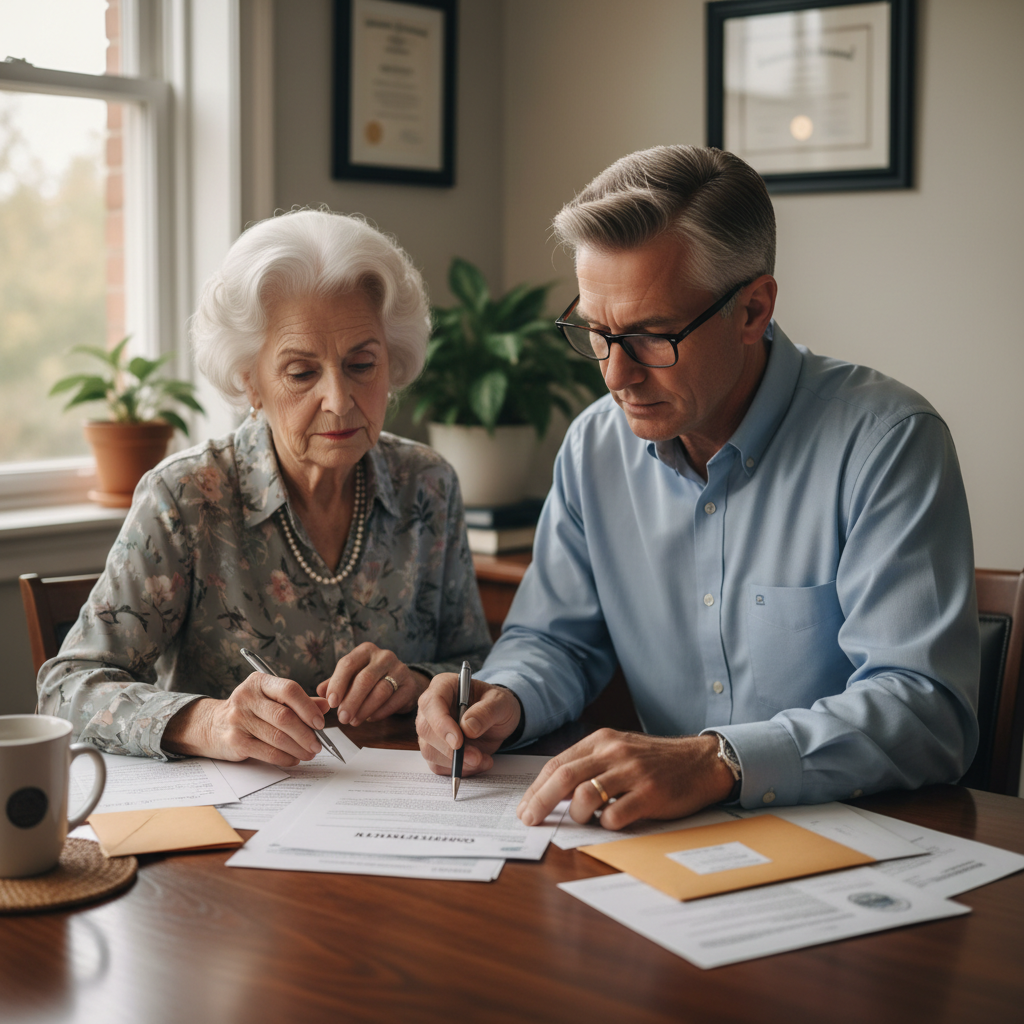
Divorce & Parenting Plans
Keep your children out of a courtroom. Mediation gives divorcing couples a private, structured path to parenting agreements, asset division, and support arrangements — without the adversarial trauma of litigation.
- Parenting time and decision-making
- Property and asset division
- Support modifications
- Post-decree disputes
87% of family cases reach full agreement

Partnership & Commercial Disputes
Dissolve an LLC before it dissolves you. Business mediation addresses partnership disputes, contract disagreements, and commercial conflicts with confidentiality that litigation cannot provide.
- LLC and partnership dissolution
- Contract interpretation
- Vendor and supplier disputes
- Shareholder disagreements
Average resolution in 6 weeks vs. 18 months in court

HR & Employment Grievances
Resolve workplace conflicts before they become lawsuits. We work with HR directors, managers, and employees to address grievances structurally — protecting the organization and the individual.
- Employee grievances
- Harassment and discrimination complaints
- Termination disputes
- Team and management conflicts
3x less expensive than employment litigation

Neighbor & Community Disputes
Property lines, HOA conflicts, noise disputes, shared resource disagreements. Community mediation keeps neighbors from becoming adversaries — and keeps small disputes from growing into expensive litigation.
- Property boundary disputes
- HOA enforcement conflicts
- Noise and nuisance complaints
- Shared resource agreements
Most cases resolved in a single joint session
Schedule a
Confidential
Consultation
Three questions. No last names required. A mediator will contact you within one business day to schedule your private intake conversation.